Flat Feet and Tibialis Posterior Dysfunction
Flat feet are often harmless. A flat foot that is painful or changing is a different matter.
We separate the two, image the tibialis posterior tendon with on-site ultrasound, and prescribe orthotics only when they are clinically indicated.
Flexible flat feet vs a collapsing arch
Many adults have a low arch and never have a problem with it. Foot posture varies widely between people, and a flat foot on its own is not a diagnosis that needs treating. We do not recommend orthotics simply because an arch looks low.
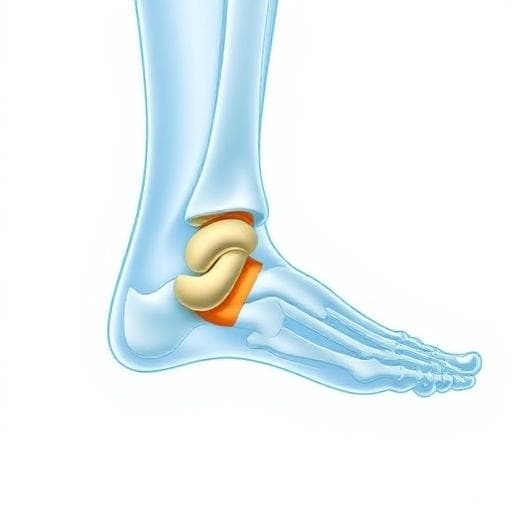
The picture changes when the arch starts to drop in adulthood, often on one side, alongside pain on the inside of the ankle. The most common cause is tibialis posterior tendon dysfunction (PTTD). The tibialis posterior tendon runs behind the inner ankle bone and attaches under the arch. It is one of the main structures holding the arch up. When it becomes overloaded and degenerates, it gradually loses the ability to support the foot.
PTTD is described in stages. In the early stage the tendon is painful and swollen but the foot shape is normal. In the next stage the arch flattens and the heel tilts outwards, but the foot is still flexible. In later stages the deformity becomes rigid and the ankle joint itself can be affected. It is more common in people over 40, and risk factors include higher body weight, diabetes, high blood pressure and inflammatory conditions.
Early assessment matters. Conservative care works best while the foot is still flexible. Once the deformity is fixed, the options narrow and bracing or a surgical opinion become more likely.
Signs it may be more than a flat foot
Stage it first, then treat it
Your assessment is with Darren Costello, a CORU-registered podiatrist with an MSc in Sports and Exercise Medicine and a CASE-accredited postgraduate certificate in MSK ultrasound.
We use clinical tests such as the single-leg heel raise, look at how the heel and midfoot move, and check whether the deformity is flexible or fixed. MSK ultrasound shows the tendon directly: thickening, fluid in the sheath, or tearing. That tells us which stage you are at and which treatment fits.
A precision 3D foot scan captures your foot shape if orthotics are indicated, so the prescription is built on measured data rather than a guess.
Diagnostic Injury Assessment
For inner ankle pain or a changing arch. 45 minutes, €160, includes MSK ultrasound of the tendon.
Orthotic Assessment
For long-standing flat feet where the question is whether orthotics would help. 30 minutes, €80, includes a 3D foot scan. Orthotics are charged separately.
About this appointmentWhen orthotics help, and what else is needed
For tibialis posterior dysfunction, orthotics and progressive tendon loading work together. Orthotics reduce the strain on the tendon; exercise builds its capacity.
Custom 3D-Printed Orthotics
Firm medial arch support, a deep heel cup and rearfoot control, designed from your 3D scan. Custom devices can be matched to your specific foot shape and stage. Always supplied as a pair.
Learn moreTendon Loading Programme
A prescribed home programme that starts with isometric holds for pain, then progresses to heel raises and single-leg strength over several months.
Learn moreFootwear Advice
Supportive, stable shoes with a firm heel counter make a real difference in day-to-day comfort and help the orthotics do their job.
Learn moreOnward Referral for Advanced Stages
Where the deformity is rigid or not responding, we refer for bracing or a surgical opinion. If hands-on physiotherapy would help, we can refer you to the physiotherapy team at Body Med in the same building.
Learn moreFlat feet can also play a part in other problems, including plantar fasciitis and shin splints in runners.
Frequently asked questions
I have flat feet but no pain. Do I need orthotics?
Usually not. Flat feet are a normal variation for many people and do not need treatment if they are pain-free and not changing. Orthotics are worth considering when there is pain, a change in foot shape, or a related injury elsewhere in the leg.
One of my arches has dropped recently. Should I be worried?
A flat foot that develops in adulthood, especially on one side, should be assessed. It is a common sign of tibialis posterior tendon dysfunction, which responds best when it is picked up while the foot is still flexible.
Will orthotics fix my flat feet permanently?
Orthotics support the foot and reduce load on the tendon while you wear them. They do not reshape the foot. Combined with a strengthening programme, they are a first-line treatment for tibialis posterior dysfunction, and many people manage well long term.
Which appointment should I book?
If you have pain on the inside of the ankle or a recent change in foot shape, book the Diagnostic Injury Assessment so we can image the tendon. If your main question is whether orthotics would help a long-standing flat foot, the Orthotic Assessment is the right fit.
Can I claim on my health insurance?
Many VHI, Laya healthcare and Irish Life Health plans include a day-to-day benefit for podiatry visits, and some plans contribute towards orthotics. You pay on the day and claim with your itemised receipt. See our insurance page for details.
More on claiming: health insurance for podiatry in Dublin.