Sever's Disease (Heel Pain in Children)
The most common cause of heel pain in active children, and one that can usually be managed without stopping sport.
A clear diagnosis, practical advice for parents, and a plan to keep your child playing while it settles.
A growth plate problem, not a disease
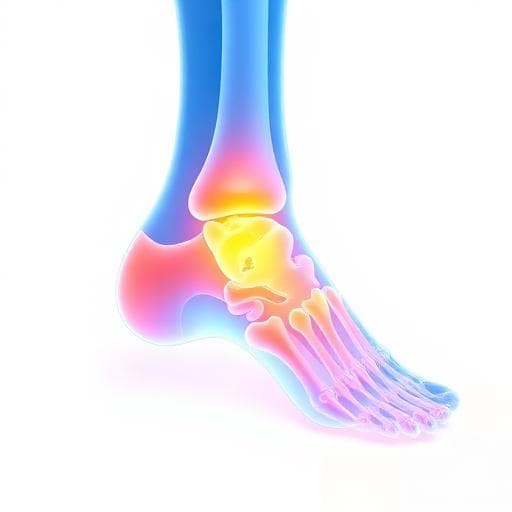
Despite the name, Sever's disease is not an illness. The medical term is calcaneal apophysitis: irritation of the growth plate at the back of the heel bone, where the Achilles tendon pulls. During growth this area is softer than mature bone, and repeated running and jumping can overload it.
It typically affects children between about 8 and 14, often around growth spurts. When bones lengthen quickly, the calf muscles and Achilles tendon can become relatively tight, which increases the pull on the heel. It is very common in children who play GAA, rugby, soccer, basketball or athletics, especially those playing several sports or training on hard pitches and astroturf through the week.
Parents often notice their child limping after training or matches, walking on their toes, or complaining of sore heels in the car on the way home. One or both heels can be affected.
The good news: Sever's disease settles once the growth plate matures. The goal of treatment is to keep your child comfortable and active until then, rather than removing them from the sport they love. For heel pain in adults, see our heel pain page instead.
When heel pain needs a GP first
Pain that wakes your child at night, pain at rest, visible swelling, redness or warmth, fever, or a child who is generally unwell are not typical of Sever's disease. Please see your GP promptly in these situations.
Common signs parents notice
A calm, clear assessment for your child
Assessments are with Darren Costello, a CORU-registered podiatrist with an MSc in Sports and Exercise Medicine and a CASE-accredited postgraduate certificate in MSK ultrasound. A parent or guardian attends with the child.
We take a full history of your child's sport and training week, examine the heel, check calf flexibility and strength, and look at foot posture and running. Sever's disease is a clinical diagnosis. MSK ultrasound is available on the day if we need to look more closely at the Achilles tendon or rule out other causes.
You leave with a practical plan: how much sport is sensible right now, which exercises to do at home, and what to watch for.
Diagnostic Injury Assessment
The right starting point for heel pain in a young athlete. 45 minutes, €160, with MSK ultrasound available on the day.
How we manage Sever's disease
Management is simple, practical and focused on keeping your child involved in sport.
Training Load Adjustment
Looking at the whole week across club, school and county sessions, and trimming the running and jumping load that is driving the pain. Often a small change is enough.
Learn moreHeel Support and Footwear
Heel raises or cushioned heel cups can reduce the pull on the growth plate. We also check boots and trainers, as worn or flat football boots can make symptoms worse.
Learn moreHome Exercise Programme
Simple calf flexibility and strengthening exercises, pitched at the right level for your child's age, to help the heel tolerate sport.
Learn moreCustom 3D-Printed Orthotics
Considered only where foot mechanics are clearly contributing and simpler measures have not been enough. Always supplied as a pair, following an assessment.
Learn moreOlder teenagers whose growth plates have fused can develop other heel and ankle problems, such as Achilles tendinopathy or recurrent ankle sprains.
Frequently asked questions
Does my child have to stop playing sport?
Usually not completely. Most children can keep playing with some changes to how much they train, particularly running and jumping on hard ground. The aim is to keep pain at a low, manageable level during and after activity. A short break is sometimes needed when pain is severe or causing a limp.
Will Sever's disease cause lasting damage?
Sever's disease is self-limiting. It settles once the growth plate at the back of the heel matures and fuses, typically in the early to mid teens. It does not normally cause long-term problems, but managing it well keeps your child comfortable and active in the meantime.
Does my child need an X-ray?
Not usually. Sever's disease is diagnosed from the history and examination. Imaging is considered if the pain is unusual, for example pain at night or at rest, swelling, pain in only one spot that does not fit the pattern, or pain in a child outside the usual age range.
Will insoles or heel cups help?
Heel raises or cushioned heel cups can reduce the pull on the growth plate and help some children. Custom orthotics are considered only where foot mechanics are clearly contributing and simpler measures have not been enough. We explain the options at the assessment.
Can I claim on my health insurance?
Many VHI, Laya healthcare and Irish Life Health family plans include a day-to-day benefit for podiatry visits. You pay on the day, we give you an itemised receipt, and you claim it back through your insurer. See our insurance page for details.
More on claiming: health insurance for podiatry in Dublin.